Cultural Compass Home

Category

Arts Access & Education Policy

12 articles

Frequencies of Resistance: How Sound Artists and Frontline Communities Are Turning Noise Into Environmental Justice

In neighborhoods bearing the heaviest burdens of industrial pollution, a new wave of community-led soundscaping projects is transforming the acoustic landscape into evidence, testimony, and art. Residents are partnering with audio artists to document, map, and amplify the sonic realities of environmental racism—and demanding that policymakers finally listen. This is the story of how sound became a tool of political reckoning.
The Encore Educators: Retired Teachers Are Quietly Saving Arts Programs in America's Most Underfunded Schools

The Encore Educators: Retired Teachers Are Quietly Saving Arts Programs in America's Most Underfunded Schools

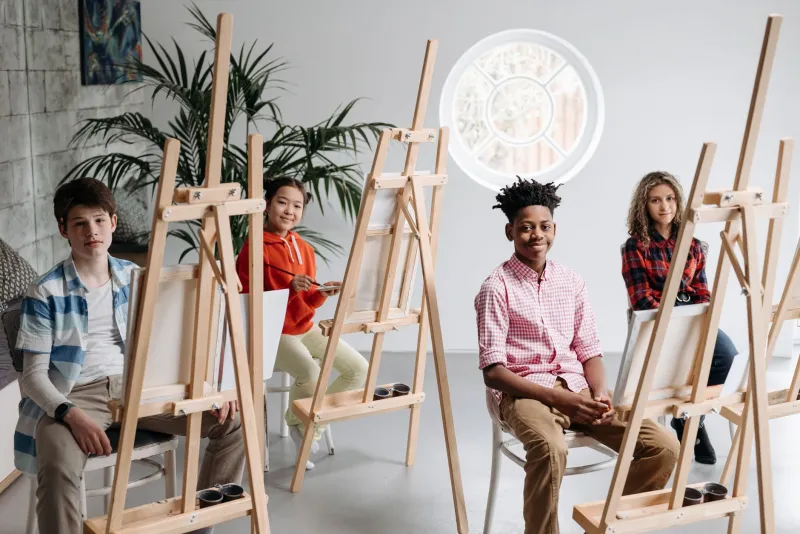
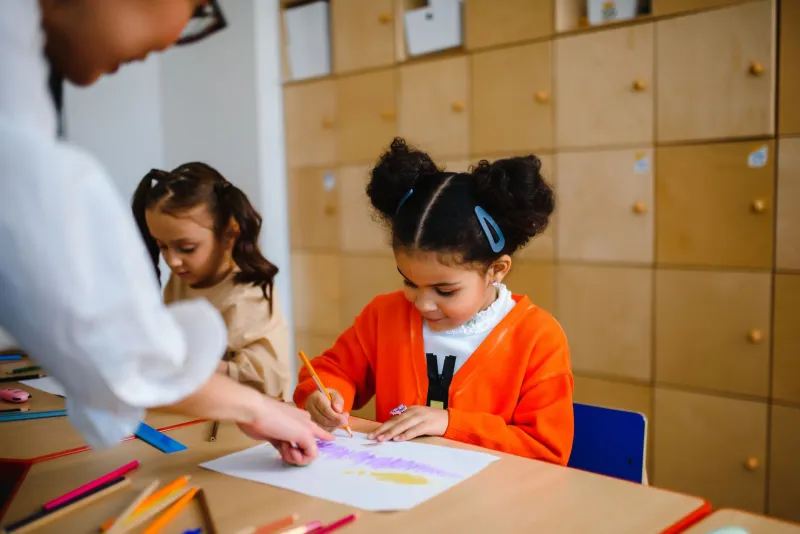
As arts education budgets continue to shrink in low-income school districts, a quiet and largely unheralded workforce has begun stepping into the breach: retired teachers who combine decades of pedagogical experience with genuine creative passion. These encore educators are not simply filling vacancies—they are building mentorship relationships that reshape how students understand themselves as learners and as artists. Their contributions raise urgent questions about why the crisis they are addr

Drawn Into View: How Arts Nonprofits Are Charting the Hidden Geographies of Underserved Communities

Drawn Into View: How Arts Nonprofits Are Charting the Hidden Geographies of Underserved Communities

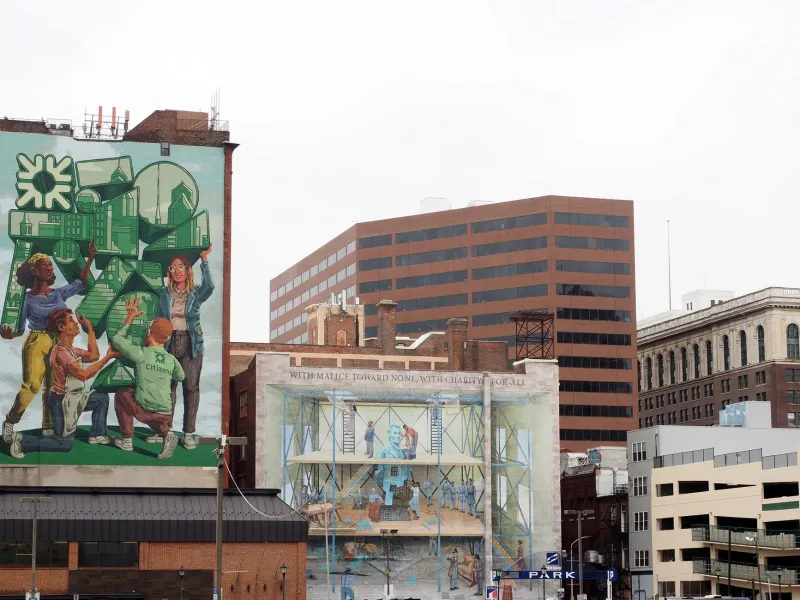
Across the United States, a growing number of arts organizations are deploying participatory mapping tools, community surveys, and cultural asset inventories not merely to count populations, but to listen to them. By making the invisible visible, these nonprofits are co-designing programs with communities rather than delivering services to them. The results are rewriting what inclusive cultural programming can look like.

Making at Their Own Pace: How Disability Justice Artists Are Dismantling the Cult of Creative Productivity

Making at Their Own Pace: How Disability Justice Artists Are Dismantling the Cult of Creative Productivity

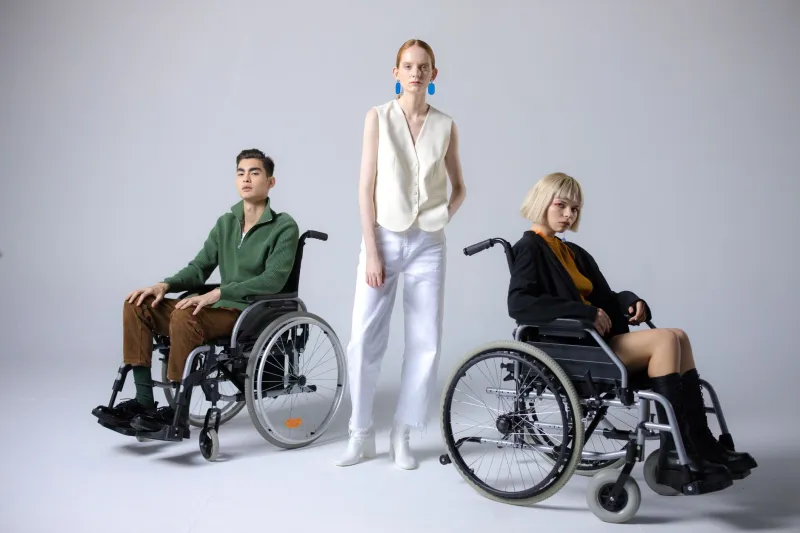
Across the United States, disabled and chronically ill artists are building creative communities that operate on radically different terms—slower, more adaptive, and fiercely resistant to ableist definitions of artistic worth. These spaces are not merely accommodating difference; they are centering it, producing a quiet revolution in how America understands creative labor and human value.

The Unsung Counselors: Why Arts Educators Are Often the First Adults Students Trust in a Mental Health Crisis

The Unsung Counselors: Why Arts Educators Are Often the First Adults Students Trust in a Mental Health Crisis

Across American schools, arts teachers are quietly filling a void that the mental health system has left wide open—recognizing distress in student work long before a counselor ever hears a word. This investigation examines how creative classrooms have become unexpected sanctuaries, and why the educators who staff them deserve far greater institutional support and recognition.

Drumming Toward Freedom: Inside the Percussion Programs Transforming Lives Behind Bars

Drumming Toward Freedom: Inside the Percussion Programs Transforming Lives Behind Bars

Across the United States, a growing number of correctional facilities are discovering that rhythm—not punishment alone—holds the key to genuine rehabilitation. Percussion programs operating inside prisons are demonstrating measurable reductions in recidivism while restoring a sense of dignity and self-determination to incarcerated individuals. Yet systemic barriers continue to limit what advocates argue should be a cornerstone of American criminal justice reform.

When Creativity Becomes Medicine: The Rise of Arts-Integrated Mental Health Programs in America's Community Health Centers

When Creativity Becomes Medicine: The Rise of Arts-Integrated Mental Health Programs in America's Community Health Centers

Across the United States, a growing number of community health centers are moving beyond traditional clinical models to embed music, visual arts, dance, and theater directly into mental wellness programming. These pioneering partnerships between arts organizations and public health providers are demonstrating measurable outcomes for some of the nation's most underserved populations. The results are quietly rewriting what we understand healthcare to be.

Beyond the Stream: How Arts Organizations Are Reaching Communities That the Digital Age Left Behind

Beyond the Stream: How Arts Organizations Are Reaching Communities That the Digital Age Left Behind

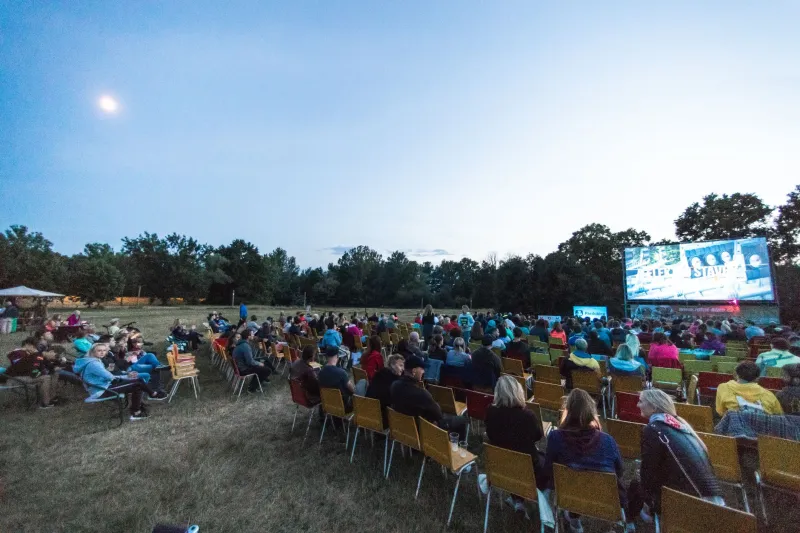
As the performing arts world increasingly relies on digital platforms to expand its reach, millions of Americans in rural and low-income communities remain cut off from that promise. A growing movement of resourceful organizations is refusing to let geography determine cultural access, deploying mobile stages, low-tech screenings, and communal viewing events to bring live performance to broadband deserts across the country.

Built From the Ground Up: How Rural Communities Are Forging Cultural Institutions That Rival the Nation's Best

Built From the Ground Up: How Rural Communities Are Forging Cultural Institutions That Rival the Nation's Best

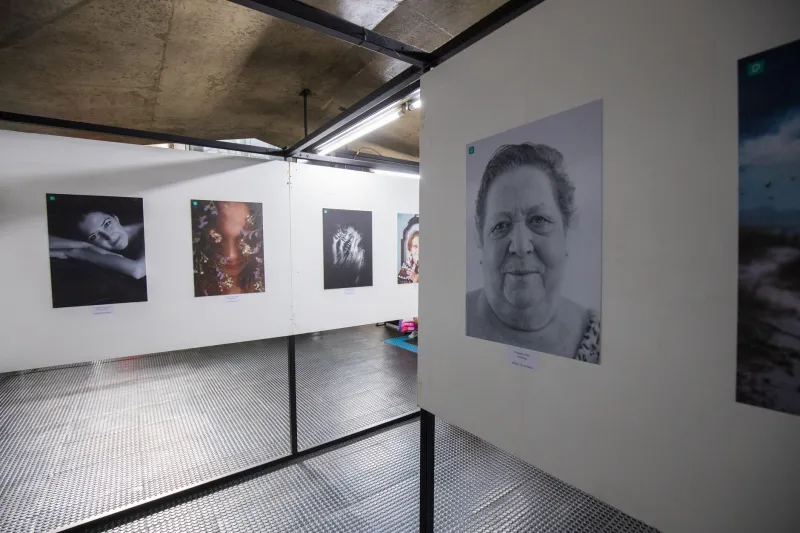
Across small towns and post-industrial corridors, a quiet revolution in cultural institution-building is underway. With modest budgets, fierce local pride, and inventive partnerships, communities are creating museums and galleries that do far more than display artifacts—they reclaim identity, drive economic renewal, and prove that world-class culture is not the exclusive province of major metropolitan centers.

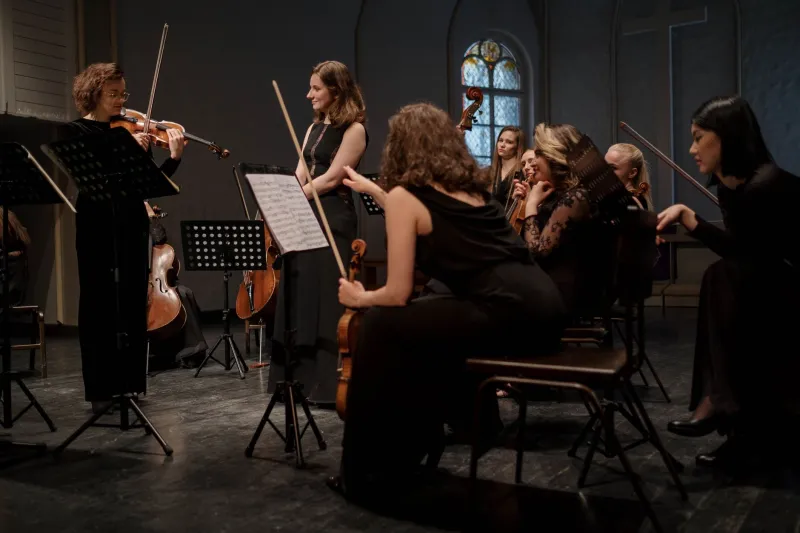
Unlocking the Orchestra: How Community Ensembles Are Rewriting Classical Music's Unspoken Rules

Unlocking the Orchestra: How Community Ensembles Are Rewriting Classical Music's Unspoken Rules

Across the United States, a quiet revolution is unfolding in community orchestra halls—one rooted not in concert prestige, but in deliberate inclusion. Through mentorship pipelines, free instrument lending, and neighborhood-based recruitment, these ensembles are challenging decades of gatekeeping that kept classical music predominantly white and affluent. The results are both inspiring and instructive for anyone invested in equitable arts access.

The Equity Map: 10 American Cities Proving That Arts Education Belongs to Every Child—Regardless of ZIP Code

The Equity Map: 10 American Cities Proving That Arts Education Belongs to Every Child—Regardless of ZIP Code

A growing body of evidence confirms what arts educators have long argued: access to quality arts instruction dramatically improves academic outcomes, social-emotional development, and long-term civic engagement among low-income youth. Yet in far too many American communities, a child's exposure to music, theater, visual arts, or dance remains determined almost entirely by their family's income. Cultural Compass examines ten cities that have refused to accept that reality—and the policies, partne